The Great Rain Myth
It is a classic Pacific Northwest dilemma. You look at your spotted, dusty windows and think about booking a professional cleaning. Then you look at the forecast. Rain is scheduled for tomorrow. You decide to wait, assuming a downpour will ruin the clean glass in minutes. Why spend money on a service just to have nature mess it up the next day?
This hesitation is completely natural, but it is based on a misunderstanding. Rain does not actually make clean windows dirty. In fact, clean glass can handle a Seattle drizzle quite well. Understanding the relationship between rain, dirt, and glass can help you keep your home bright all year round, even in the wettest months.
The Science of Rain and Glass
Pure rain is just water. It falls from the sky without the heavy minerals found in tap water. When pure rain hits a truly clean pane of glass, it simply sheets off. The water runs down the window and evaporates, leaving no spots behind.
Why do windows look so terrible after a storm then? The culprit is not the rain itself. The culprit is the dirt already sitting on your windows.
Over weeks and months, your windows accumulate a thin layer of dust, pollen, bird droppings, and traffic emissions. This buildup is often invisible when dry, especially on overcast days. When raindrops hit this dirty glass, they pool together and mix with the grime. The water turns into a muddy slurry. As the sun comes out and the water dries, it leaves behind those dusty, circular spots we all recognize. The rain did not bring the dirt. It simply reorganized the dirt already on your home.
The Soap Residue Trap
Traditional DIY window cleaning methods can make the rain spot problem even worse. Many homeowners use dish soap, vinegar, or store-bought blue sprays to clean their glass. These products might make the window look shiny initially, but they leave behind a microscopic, sticky residue.
This residue acts like a magnet for airborne contaminants. Pollen, dust, and car exhaust stick to the soapy film. When the next rainstorm hits, the water reacts with the soap residue and the trapped dirt, creating a cloudy, streaked mess. Your windows look dirty again almost instantly because the cleaning product itself trapped the grime.
How Professional Pure Water Technology Changes Everything
Professional exterior cleaning companies use a different approach. At Blue Skies Windows, we utilize pure water technology to clean exterior glass across the Greater Seattle area, from Bellevue to Edmonds.
This system filters tap water through a multi-stage deionization process, removing every mineral, sediment, and impurity. We use this purified water alongside carbon fiber poles and specialized brushes to scrub the glass, frames, and sills. Because the water is completely pure, it acts like a sponge, attracting and lifting away the dirt without any chemical detergents.
We rinse the window with a final sheet of pure water and let it air dry. Because there is no soap residue left behind, there is nothing for new dirt to cling to. When it rains a few days later, the water has no surface tension to hold onto. It sheets off the clean glass, leaving your windows looking spotless even after a classic Snohomish County downpour.
Other Factors That Keep Windows Cleaner Longer
While clean glass is highly resistant to rain spots, other elements of your home can impact how long that clean look lasts. Managing these exterior factors will help protect your view throughout the rainy season.
Keep Your Gutters Clean
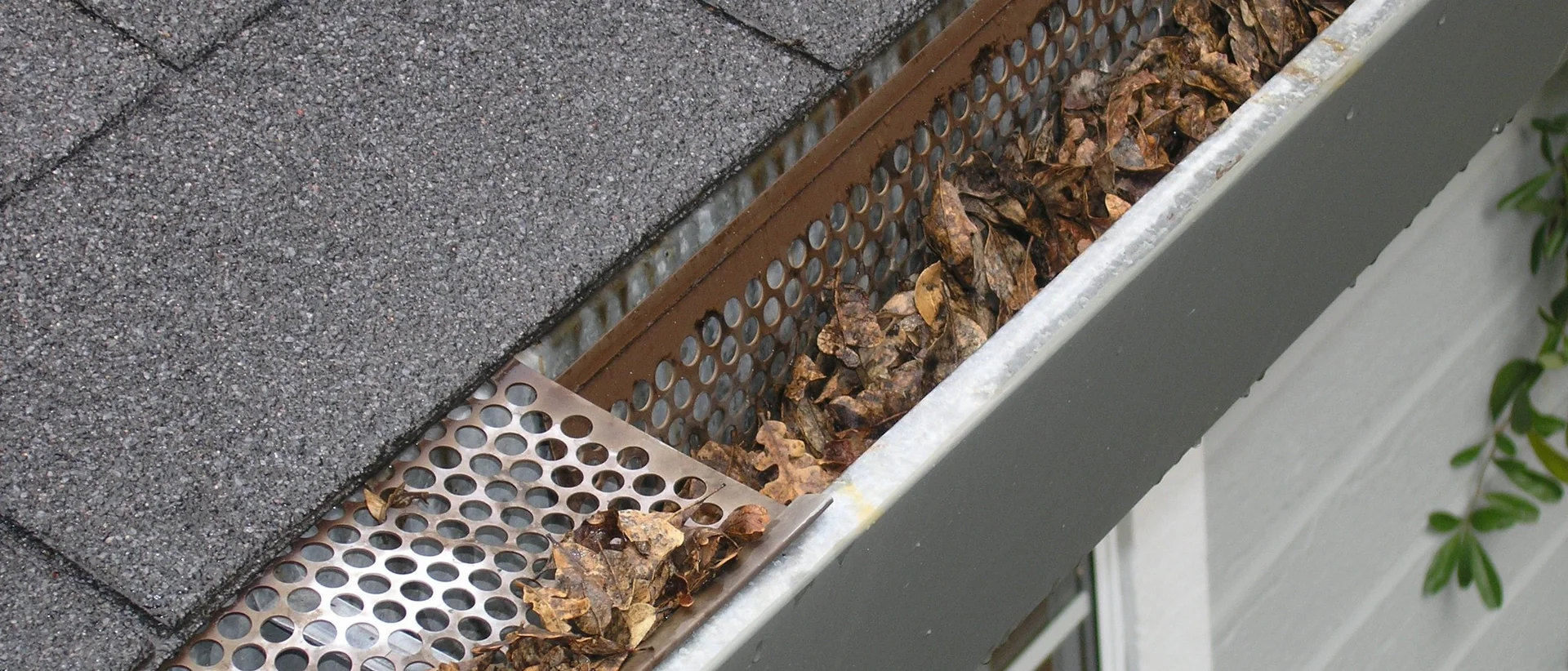
Overflowing gutters are a major cause of dirty windows. When gutters clog with pine needles and leaves, water spills over the edges. This water is filled with roof debris, moss spores, and dirt. As it cascades down, it splashes directly onto your windows, leaving heavy streaks that rain alone cannot wash away. Keeping your gutters clear prevents this dirty runoff from hitting your glass.
Wash Your Window Screens
Screens act as a filter for wind, trapping pollen and dust in their mesh. When rain hits a dirty screen, it pushes that trapped dirt directly onto the glass behind it. A professional window cleaning should always include screen cleaning to prevent this transfer from happening during the next storm.
Trim Nearby Landscaping
Trees and bushes release sap, pollen, and leaves. If branches are touching or hanging close to your windows, wind and rain will whip these organic materials against the glass. Keeping your landscaping trimmed back from your home siding and windows reduces the amount of organic debris that can stick to the exterior glass.
When Rain Can Actually Be Your Friend
Once your windows are professionally cleaned with purified water, a light rain can actually help keep them clean. The rain acts as a natural rinse, washing away fresh dust and pollen before it has a chance to bond to the glass. Homeowners in Redmond and Kirkland often notice their windows look fantastic after a light rain, simply because there was no dirt or soap residue on the glass to cause spotting.
Of course, heavy storms with strong winds can still blow dirt, soil, and mulch onto your lower-level windows. However, the average Pacific Northwest rain shower is not going to ruin a professional window cleaning. You do not need to schedule your home maintenance strictly around the daily weather forecast.
Enjoy Clear Views Year-Round
Waiting for a perfectly dry stretch of weather in Western Washington can mean waiting months for clean windows. Dirty glass reduces the amount of natural light entering your home, which is especially precious during our dark winter days. By investing in professional, residue-free window cleaning, you can enjoy bright, clear views regardless of what the weather forecast says. Your windows will stay cleaner, longer, even when the clouds roll in.